Plant-based protein: how to adopt a balanced vegan diet without the risk of deficiencies?
A vegan diet can be balanced, provided it is well planned. By removing all foods of animal origin, some nutrients become harder to obtain. It is therefore important to know the good sources of protein, essential amino acids, vitamins and minerals.
Conversely, many studies show that a well-designed plant-based diet can be associated with a reduced risk of cardiovascular disease, type 2 diabetes, high blood pressure, obesity and certain cancers.
The benefits of plant-based protein
Proteins are essential to the body. In particular, they contribute to:
- building and maintaining muscle mass;
- the production of enzymes and hormones;
- the functioning of the immune system;
- the transport of oxygen;
- tissue repair;
- satiety.
Contrary to a common misconception, protein is not found only in foods of animal origin. It occurs naturally in many plants: legumes, grains, soy, nuts, seeds and even certain mushrooms.
Reducing meat consumption in favour of plant-based protein can help improve the overall quality of the diet. Plant foods also provide fibre, vitamins, minerals, antioxidants and many beneficial phytochemical compounds.
Points to watch in a vegan diet
Proteins and the 9 essential amino acids
Proteins are made up of amino acids. Among them, 9 are considered essential, because the body cannot produce them on its own. They must therefore be provided through the diet.
Unlike animal proteins, some plant proteins are lower in specific amino acids, notably lysine and methionine.
This does not mean they are of poor quality. It is simply enough to vary the protein sources throughout the day, or ideally within a single meal.
The most useful combinations are:
- grains + legumes;
- legumes + seeds;
- grains + soy.
Soy, in the form of tofu, tempeh, edamame or soy drink, is a notable exception: it naturally contains all 9 essential amino acids and can be considered a complete protein.
Omega-3
Plant-based omega-3 is present in the form of ALA, or alpha-linolenic acid. This fatty acid is essential, because the body cannot produce it on its own.
It is found mainly in:
- rapeseed, flaxseed, walnut, hemp and camelina oils;
- flaxseeds;
- walnuts;
- leafy green vegetables.
ALA allows the body to produce part of the EPA and DHA, two forms of omega-3 that are important for cardiovascular, inflammatory and metabolic health.
Vitamin B12
Vitamin B12 is the main nutrient absent from unfortified plant foods. It is essential for:
- the functioning of the nervous system;
- the production of red blood cells;
- the synthesis of DNA.
For vegans, supplementation or the regular consumption of foods fortified with vitamin B12 is essential.
Iron
Plant-based iron is absorbed less well than the iron found in animal products. The best plant sources include:
- lentils;
- chickpeas;
- beans;
- tofu;
- soy;
- spinach;
- cashew nuts.
Combining these foods with a source of vitamin C, such as lemon, peppers, kiwis or citrus fruit, greatly improves the absorption of plant-based iron.
Zinc
Zinc is involved in immunity, growth, wound healing and cellular metabolism.
The best plant sources are:
- pumpkin seeds;
- tahini;
- fortified cereals;
- cashew nuts;
- lentils;
- chickpeas;
- tofu;
- tempeh.
The best sources of plant-based protein
Soy
- tofu;
- tempeh;
- edamame;
- soy drink.
Legumes
- lentils;
- chickpeas;
- red beans;
- black beans;
- broad beans.
Protein-rich grains
- seitan;
- spelt;
- teff;
- whole wheat.
Nuts and seeds
- almonds;
- cashew nuts;
- hemp seeds;
- chia seeds;
- flaxseeds.
Other sources
- mycoproteins;
- spirulina;
- quinoa.
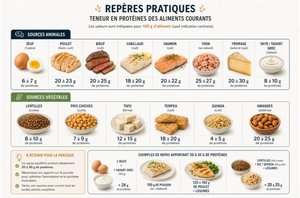
Top 5 plant proteins per 100 g
| Food | Protein per 100 g | Why it is valuable |
|---|---|---|
| Seitan | About 75 g | Very high in protein, useful as a meat substitute, but not suitable for people sensitive to gluten. |
| Soy | About 36 g | Contains all 9 essential amino acids and can be used as tofu, tempeh or edamame. |
| Cooked lentils | About 25 g | Rich in protein, fibre, iron and minerals, easy to include in meals. |
| Almonds | About 25 g | Provide protein, healthy fats, magnesium and fibre. |
| Quinoa | About 14 g | Naturally contains all 9 essential amino acids and complements legumes well. |
Note: protein content alone is not enough to determine the nutritional quality of a food. You must also take into account the essential amino acid profile, digestibility, the amount of fibre, vitamins and minerals, as well as the portion actually consumed.
How to build a balanced vegan day?
A balanced vegan diet is based above all on variety. Each day should ideally combine:
- a source of protein at each meal;
- legumes several times a week;
- whole grains;
- nuts and seeds;
- oils rich in omega-3;
- a variety of fruits and vegetables;
- a reliable source of vitamin B12.
The goal is not to look for a single perfect protein, but to combine different foods in order to naturally meet the needs for protein, essential amino acids and micronutrients.
Conclusion
A vegan diet can perfectly meet nutritional needs when it is well planned.
Plant-based proteins offer many benefits for health and the environment, provided you vary your food sources and pay particular attention to certain nutrients such as vitamin B12, iron, zinc and omega-3.
The goal is not simply to replace animal proteins, but to build a diverse, balanced and sustainable plant-based diet.