Myths vs Science
The ketogenic diet is often presented in extremes: either as a miracle fat-burning solution or as an unsafe, restrictive trend. In popular culture, keto is sometimes reduced to high-fat meals, salty snacks, and rapid weight loss without real dietary discipline.
European clinical literature suggests a more balanced view. Keto is not a free ride, nor a permanent lifestyle prescription. It is better understood as a structured metabolic intervention that may help reduce weight, regulate appetite, improve selected metabolic markers, and support a transition towards more sustainable nutrition.
This article is based on two key European sources:
- “European Guidelines for Obesity Management in Adults with a Very Low-Calorie Ketogenic Diet: A Systematic Review and Meta-Analysis” , by Giovanna Muscogiuri, Marwan El Ghoch, Annamaria Colao, Maria Hassapidou, Volkan Yumuk and Luca Busetto, published in Obesity Facts in 2021.
- “Very-Low-Calorie Ketogenic Diet (VLCKD) in the Management of Metabolic Diseases: Systematic Review and Consensus Statement from the Italian Society of Endocrinology (SIE)”, by M. Caprio, M. Infante, E. Moriconi and colleagues, published in the Journal of Endocrinological Investigation in 2019.
1. European Guidelines for Obesity Management in Adults with a VLCKD
The 2021 European guideline by Muscogiuri et al. was prepared according to PRISMA methodology, meaning it followed a structured process for identifying, selecting, and analysing scientific studies. The authors screened hundreds of articles and included eligible studies in a systematic review and meta-analysis.
The guideline describes a very low-calorie ketogenic diet as a nutritional protocol typically containing:
- Less than 50 g carbohydrates per day
- 1–1.5 g protein per kg of ideal body weight
- Controlled fat intake rather than unlimited fat
- A structured period of reduced energy intake
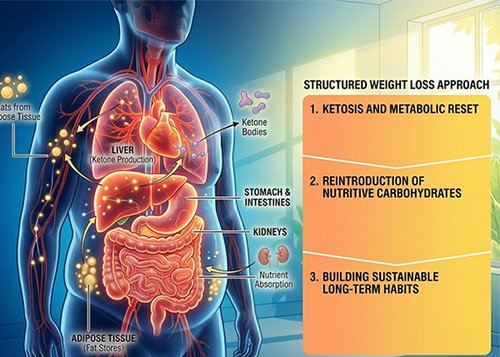
The key message is that keto should be structured, time-bound, and followed by a re-education and maintenance phase. It is not presented as a permanent high-fat diet, but as a clinical tool for weight management.
2. Italian Society of Endocrinology Consensus Statement
The 2019 consensus statement by Caprio et al. is relevant for professionals with a sedentary lifestyle because it focuses on metabolic diseases linked to modern living: excess weight, insulin resistance, type 2 diabetes risk, triglycerides, hypertension, fatty liver, and cardiovascular risk factors.
The article explains that ketogenic diets can mimic some metabolic effects of fasting by reducing carbohydrate availability and stimulating ketone production. This may help reduce appetite, improve adherence, and support rapid short-term weight loss when the diet is properly structured.
The authors also emphasise that ketogenic diets require planning. Hydration, electrolytes, micronutrients, protein adequacy, and transition phases matter. For this reason, keto should not be treated as an improvised diet based only on fat-rich foods.
What This Means for Slightly Overweight Individuals
For busy professionals with a sedentary lifestyle, the main challenge is not only losing weight. It is maintaining focus, energy, consistency, and long-term health while managing demanding workdays.
A well-designed ketogenic phase may help by reducing appetite, simplifying food decisions, and creating a clear nutritional structure. However, long-term success depends on what happens after the strict keto phase: the gradual return of nutrient-rich, low-glycaemic carbohydrates and a sustainable eating pattern.
Practical Action Plan
Phase 1: Reset Metabolism with 2 Keto Meals
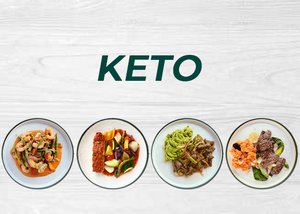
Plan your ketogenic phase with Allcook’s weekly changing Keto menu. The goal is to reach approximately 30–50 g of carbohydrates per day while keeping meals practical, satisfying, and easy to repeat during busy workweeks.
Every Allcook keto meal is designed approximately as follows:
- Weight: 380–420 g
- Energy: 300–450 kcal
- Carbohydrates: 10–15 g
- Protein: 30–40 g
Phase 2: Reintroduce Nutrient-Rich, Low-Glycaemic Carbohydrates
After the ketogenic phase, the next step is not to return to refined carbohydrates, sugar, or ultra-processed foods. The goal is to reintroduce high-nutrient carbohydrates.
- Choose Allcook Low-Carb meals with less than 35 g carbohydrates per meal
- Complement meals with vegetables
- Add whole grains or pulses in controlled portions when appropriate
Phase 3: Build Long-Term Balance
The final goal is a sustainable eating pattern that supports weight control, metabolic health, productivity, and an active lifespan. Keto can be the starting phase, but long-term health comes from consistency, nutrient density, and a balanced relationship with food.
Takeaway
European scientific consensus does not support keto as a shortcut or a lifelong extreme diet. It supports keto as a structured, time-limited nutritional tool that can be useful for weight loss and metabolic improvement when applied carefully.
For weight management, the most practical strategy is not perfection. It is a structure: a clear ketogenic phase, a controlled transition, and a sustainable maintenance plan. Allcook’s weekly changing Keto and Low-Carb menus are designed to make this approach easier to follow for busy professionals.